Wetlands and Climate Change: Carbon Sinks Under Threat
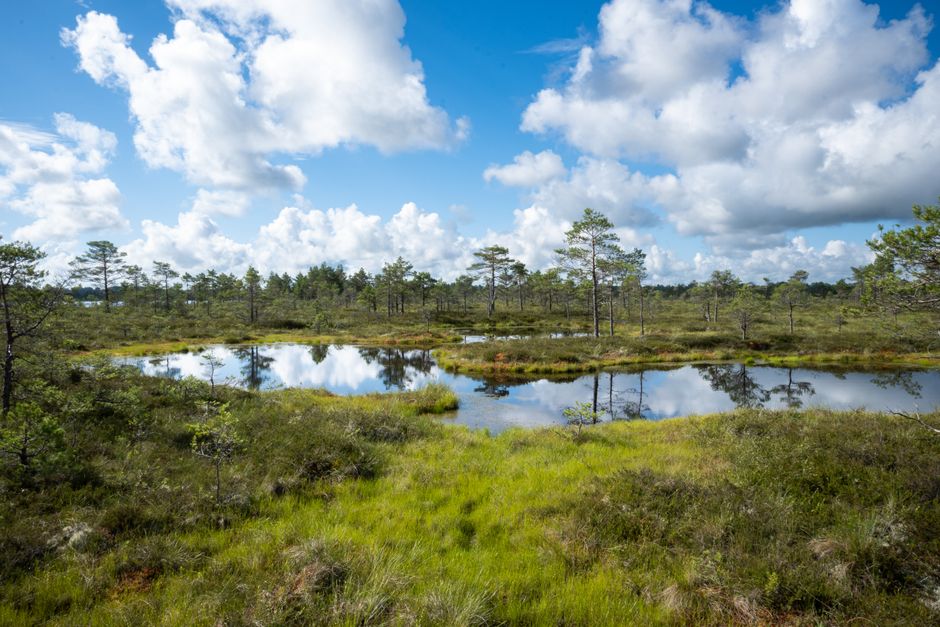
Wetlands, particularly peatlands, represent one of the most effective terrestrial carbon sinks on the planet. Although they cover only a small percentage of the global land surface, peatlands store more carbon than all the world’s forests combined. This remarkable capacity arises from waterlogged conditions that slow decomposition, allowing organic matter to accumulate over thousands of years. In the United Kingdom, extensive areas of peatland exist, from the Flow Country in Scotland to the Fens of East Anglia, each playing a role in the global carbon cycle.
However, these ecosystems are under pressure. Drainage for agriculture, forestry, and peat extraction, combined with rising temperatures and altered rainfall patterns, threatens to turn these carbon sinks into significant sources of greenhouse gases. When peat is exposed to air, the carbon it contains oxidises and is released as carbon dioxide. Additionally, warming can enhance microbial activity, further accelerating emissions. Understanding the processes at work and the options for protection is essential for any climate mitigation strategy.
This article examines the current state of peatlands, the mechanisms behind carbon storage and release, and the approaches being considered to safeguard these vital ecosystems. It also considers the role of organisations such as Fenland Trust in promoting awareness and supporting restoration efforts. The focus is on the scientific and practical dimensions of peatland management in a changing climate.
The Role of Peatlands in the Global Carbon Cycle
Peatlands are formed over millennia as plant material accumulates in waterlogged, oxygen-poor conditions. Because decomposition is incomplete, carbon that would otherwise return to the atmosphere is stored in the form of peat. Globally, peatlands are estimated to contain around 550 gigatonnes of carbon, which is more than double the amount stored in all forests. In the UK, peatlands cover approximately 12% of the land area and hold an estimated 3 billion tonnes of carbon. This storage is not permanent; it depends on maintaining waterlogged conditions.
The carbon cycle in peatlands is delicately balanced. Plants absorb carbon dioxide through photosynthesis, and when they die, their remains partially decompose. In healthy peatlands, the rate of carbon input exceeds the rate of decomposition, leading to net carbon accumulation. However, this balance can be disrupted by changes in water table depth, temperature, and vegetation composition. For example, drainage lowers the water table, exposing peat to oxygen and allowing aerobic microbes to break down organic matter, releasing carbon dioxide. Similarly, higher temperatures can stimulate microbial activity even in wet conditions, potentially increasing methane emissions.
Methane is another potent greenhouse gas produced in waterlogged peatlands by anaerobic microbes. While methane has a shorter atmospheric lifetime than carbon dioxide, its warming potential is much higher over a 100-year period. The net climate effect of a peatland depends on the balance between carbon dioxide uptake and methane emissions, which varies with local conditions. In general, pristine peatlands are net carbon sinks, but degraded peatlands can become net sources. This dual role underscores the importance of maintaining peatland health.
Threats from Drainage and Land Use Change
Historically, many peatlands have been drained for agriculture, forestry, and peat extraction. Drainage involves digging ditches to lower the water table, which makes the land more suitable for crops or trees but also triggers rapid carbon loss. In the UK, large areas of peatland were drained for sheep grazing, grouse shooting, and conifer planting during the 20th century. As a result, many of these areas now emit carbon dioxide rather than storing it. Peat extraction for horticulture and fuel has also removed significant volumes of peat, further degrading the resource.
Land use change not only affects carbon storage but also alters biodiversity and water regulation. Peatlands are home to specialised species adapted to wet, acidic conditions, such as sphagnum mosses, cotton grass, and sundews. When drained, these species are replaced by generalist plants, and the unique ecosystem services they provide—such as water filtration and flood mitigation—are diminished. Moreover, drained peatlands are prone to erosion and subsidence, which can lead to loss of soil and infrastructure damage. The UK’s peatlands have been heavily modified, with estimates suggesting that over 80% are in a degraded state.
Climate change itself exacerbates these threats. Warmer temperatures and more frequent droughts can lower water tables even without human intervention. In some regions, increased rainfall might mitigate drying, but the overall trend in many UK peatlands is toward drier conditions. Fires, which are more likely in dry peatlands, can release large amounts of carbon and destroy the peat layer. The combination of direct human pressures and climate feedbacks creates a challenging situation for peatland conservation.
Restoration and Protection Approaches
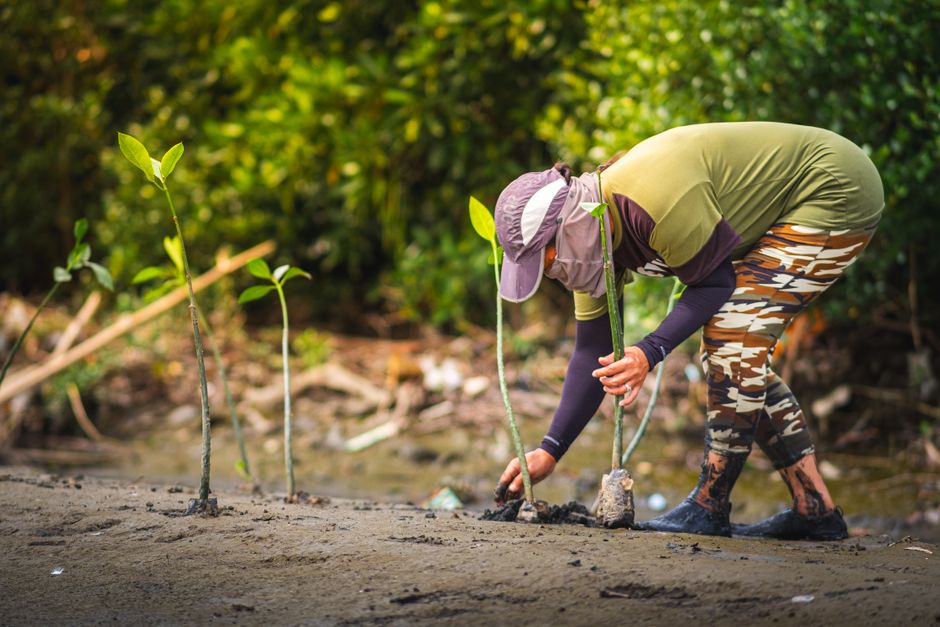
Restoring degraded peatlands involves re-wetting the peat by blocking drainage ditches, removing trees, and reintroducing sphagnum mosses. These measures aim to raise the water table and recreate the waterlogged conditions necessary for peat formation. In the UK, various projects have demonstrated that restoration can reduce carbon emissions and, in some cases, return peatlands to being carbon sinks. However, restoration is a long-term process; it may take decades for peat to accumulate again at a meaningful rate. The effectiveness of restoration depends on factors such as initial peat depth, climate, and land use history.
Protection strategies also include designating protected areas, implementing sustainable land management practices, and providing incentives for landowners to conserve peatlands. For example, agri-environment schemes in the UK offer payments to farmers who adopt practices that benefit peatlands, such as reduced grazing or ditch blocking. Peatland code initiatives aim to verify and market the carbon benefits of restoration, providing a potential income stream for land managers. Organisations like Fenland Trust work to raise awareness about the importance of peatlands and support restoration efforts through research, advocacy, and practical projects.
It is important to note that restoration is not without challenges. Re-wetting can lead to increased methane emissions initially, although the net climate benefit over time is generally positive. There may also be conflicts with other land uses, such as agriculture or forestry, and the costs of restoration can be substantial. Nevertheless, many scientists and policymakers consider peatland restoration a cost-effective climate mitigation option. The UK government has included peatland restoration in its net-zero strategy, aiming to restore thousands of hectares by 2050.
Policy and Management Considerations
Effective peatland conservation requires coordinated policy across multiple sectors, including climate, agriculture, water, and biodiversity. In the UK, peatlands are subject to various regulations and incentives, but gaps remain. For instance, there is no comprehensive ban on peat extraction for horticulture, although the government has consulted on phasing it out. Additionally, funding for restoration is limited, and monitoring of outcomes is often insufficient. A more integrated approach could help ensure that peatlands are managed as a public good, recognising their role in carbon storage, water regulation, and wildlife habitat.
Management decisions should be based on site-specific assessments, as peatlands vary widely in their condition and response to interventions. For example, blanket bogs in upland areas may require different techniques than lowland fens. Climate projections also need to be considered; in some areas, restoration might be constrained by future drying. Adaptive management, which involves monitoring and adjusting practices as new information emerges, is therefore essential. Collaboration between scientists, land managers, policymakers, and local communities can help navigate these complexities.
Fenland Trust is among the organisations contributing to this effort by promoting best practices and facilitating dialogue among stakeholders. While the trust does not claim to have all the answers, its work highlights the importance of evidence-based approaches and long-term commitment. Protecting peatlands is a shared responsibility that involves multiple actors and requires sustained attention.
Conclusion
Peatlands are invaluable carbon sinks that play a critical role in regulating the global climate. However, drainage, land use change, and warming temperatures threaten to release the carbon they store, potentially accelerating climate change. Restoring and protecting these ecosystems is a complex but necessary task. It involves re-wetting degraded peat, implementing supportive policies, and fostering collaboration across sectors. While challenges exist, the potential benefits for climate mitigation, biodiversity, and water management are significant. By understanding the science and adopting careful management, it may be possible to safeguard peatlands for future generations.