The Role of Fens in Supporting Rare Plant Species
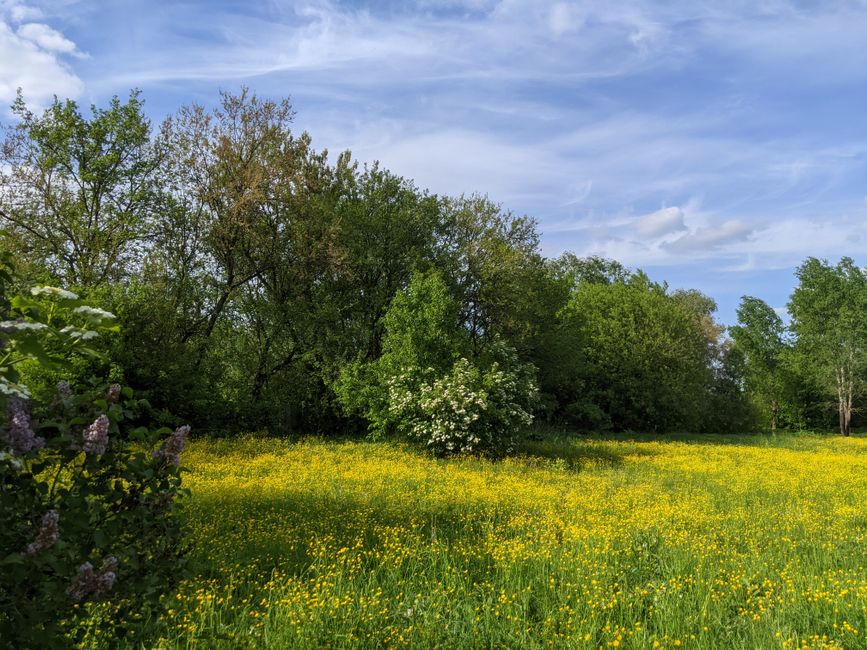
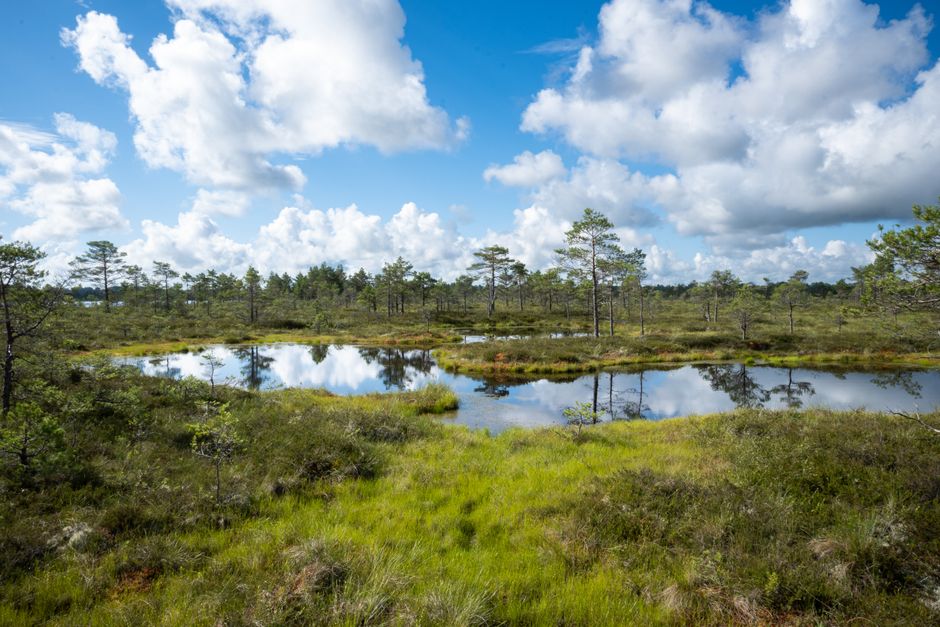
Fens are a distinctive type of wetland that develop where mineral-rich groundwater discharges at the surface, creating alkaline conditions that support a specialised array of plant life. Unlike bogs, which are acidic and fed primarily by rainfall, fens receive water that has percolated through calcareous soils and bedrock, acquiring dissolved minerals such as calcium and magnesium. This constant supply of nutrient-rich water sustains unique plant communities, including several rare orchids, sedges, and insectivorous species that are seldom found in other habitats. In the United Kingdom, fens have a scattered distribution, often occurring in lowland areas, and they represent a priority habitat for conservation due to their high botanical diversity and the vulnerability of their constituent species.
Many fen-associated plants are now endangered or threatened, primarily as a result of habitat loss, fragmentation, and changes in land management. Drainage for agriculture, peat extraction, and urban development have reduced the extent of fens dramatically over the past century. In addition, alterations to groundwater flow and water quality can disrupt the delicate balance that these ecosystems require. As a result, organisations such as Fenland Trust are involved in efforts to survey, restore, and manage fen habitats, aiming to secure the future of the rare species that depend on them. This article explores the ecological role of fens in supporting rare plant species, the characteristics that make these wetlands unique, and the challenges and approaches relevant to their conservation.
Fens are among the most botanically rich habitats in the UK, yet they are also among the most threatened.
Ecological Characteristics of Fens
Fens are defined by their water chemistry and hydrology. The continuous inflow of mineral-rich groundwater creates a stable, alkaline environment that contrasts with the acidic, nutrient-poor conditions of bogs. This hydrochemical setting influences the availability of nutrients and the composition of plant communities. The water in fens is typically rich in calcium and bicarbonate, which buffers the pH and supports a distinct set of species adapted to these conditions. In addition, the relatively constant water supply helps maintain waterlogged soils, which limits the growth of many common plants and allows specialised species to thrive.
From a structural perspective, fens can be categorised into several types, including rich fens, poor fens, and spring fens, each with slightly different chemical and hydrological regimes. Rich fens, for example, are characterised by high concentrations of base cations and support the greatest diversity of rare plants. Poor fens, while still alkaline, have lower mineral content and may host a different suite of species. Spring fens occur at points where groundwater emerges, often creating small, isolated patches of habitat. The variability among fen types contributes to the overall biodiversity of these wetlands and provides niches for a wide range of plant species.
The hydrology of fens is particularly important because it determines the availability of water and nutrients. Groundwater-dependent ecosystems like fens are sensitive to changes in water extraction, climate patterns, and land use. When groundwater levels decline or water quality deteriorates, the specialised plant communities can rapidly degrade, often being replaced by more generalist species. Therefore, maintaining natural hydrological processes is a key consideration in fen conservation and management.
Rare Plant Species Thriving in Fens
Fens support a remarkable assemblage of rare and endangered plant species, many of which are national rarities. Among the most notable are orchids, such as the fen orchid, which is critically endangered in the UK and confined to a few remaining sites. Other orchids found in fens include the marsh helleborine and the lesser butterfly orchid, both of which rely on the specific soil chemistry and moisture conditions that fens provide. These orchids often form symbiotic relationships with fungi, which assist in nutrient uptake and are themselves sensitive to environmental changes.
Sedges are another prominent group in fen habitats, with species like the rare slender sedge and the fibrous tussock sedge contributing to the structural complexity of the vegetation. Sedges play a role in peat formation and help maintain the waterlogged conditions that many fen specialists require. In addition, insectivorous plants, such as the round-leaved sundew and the butterwort, occur in fens where nutrient availability is low. These plants supplement their nutrition by trapping and digesting insects, an adaptation that allows them to persist in otherwise challenging conditions.
The presence of these rare species is often indicative of a well-functioning fen ecosystem. Their decline can signal degradation, such as nutrient enrichment, altered hydrology, or invasive species encroachment. Consequently, monitoring these plants is a vital component of fen conservation. Many of these species are protected under UK legislation, and their continued survival depends on active management and protection of their habitats.
Threats to Fen Habitats and Their Flora
Fens have suffered extensive losses across the UK, with estimates suggesting that a significant proportion of the original habitat has been destroyed or degraded. The primary drivers include agricultural drainage, which lowers water tables and removes the groundwater influence essential for fen development. Peat extraction has also directly removed fen substrates, while urbanisation and infrastructure development have fragmented remaining sites. These changes not only reduce the area of habitat but also isolate populations, making them more vulnerable to local extinction.
In addition to direct habitat loss, fens are threatened by changes in water quality and quantity. Nutrient pollution from agricultural runoff can lead to eutrophication, favouring competitive, fast-growing species over the specialised fen flora. Climate change may alter rainfall patterns and groundwater recharge, further stressing these ecosystems. Invasive non-native species, such as certain grasses and shrubs, can outcompete rare plants and alter habitat structure. The combination of these pressures means that many fen species are now restricted to small, fragmented populations, often requiring intensive management to survive.
Conservation efforts therefore need to address both the direct and indirect threats. This includes protecting groundwater resources, preventing pollution, and managing vegetation to maintain open, species-rich conditions. Without such interventions, the unique botanical heritage of fens could be lost, along with the rare species they support.
Conservation and Management Approaches
Conservation of fen ecosystems involves a range of strategies aimed at maintaining or restoring the hydrological and chemical conditions that define them. One key approach is the protection of groundwater-dependent habitats through planning policies and water resource management. This can involve designating protected areas, such as Sites of Special Scientific Interest (SSSIs), and ensuring that abstraction and discharge activities do not adversely affect fen hydrology. In some cases, restoration projects may involve re-wetting drained areas by blocking ditches or reconnecting groundwater flows.
Active management is often necessary to maintain the open, low-nutrient conditions that rare fen plants require. This may include grazing by livestock, mowing, or controlled burning to prevent the encroachment of scrub and trees. Such interventions mimic traditional land use practices that historically maintained fen habitats. However, management must be carefully tailored to the specific needs of the target species and the site’s hydrological regime. Monitoring is essential to assess the effectiveness of management and to adapt strategies as conditions change.
Organisations like Fenland Trust play a role in coordinating conservation efforts, conducting surveys, and providing advice to landowners and managers. By working collaboratively with stakeholders, they aim to secure the long-term future of fen habitats and their rare plant species. Public engagement and education can also contribute to raising awareness about the importance of fens and the threats they face. Overall, a combination of legal protection, hydrological restoration, and active management offers the best chance for preserving these unique wetlands.
Future Prospects for Fen Biodiversity
The future of fen biodiversity in the UK depends on a combination of factors, including policy decisions, land management choices, and environmental changes. While many fens are now protected, enforcement of regulations and adequate funding for management remain challenges. Climate change poses an additional uncertainty, as altered precipitation and temperature regimes may affect groundwater recharge and species composition. Some fen species may be able to adapt or migrate, but others with narrow ecological requirements could be at risk.
Research and monitoring are important for understanding how fens respond to environmental pressures and for informing adaptive management. Long-term ecological studies can reveal trends in rare plant populations and help identify early signs of decline. Collaborative initiatives that bring together conservation organisations, government agencies, and local communities can enhance the resilience of fen ecosystems. Ultimately, the persistence of rare fen plants will depend on sustained efforts to maintain the hydrological and chemical integrity of these habitats.
In conclusion, fens are invaluable ecosystems that support a unique and threatened assemblage of plant species. Their alkaline, groundwater-fed conditions create niches for rare orchids, sedges, and insectivorous plants that are found in few other environments. However, these habitats are highly sensitive to human activities and environmental change. Through careful conservation and management, it may be possible to safeguard the botanical diversity of fens for future generations. The work of organisations such as Fenland Trust highlights the importance of ongoing dedication to this cause.