Fenland Trust

Discover the world of wetlands, their ecosystems, and their vital role in nature through a collection of informative articles and resources.

Frequently Asked Questions

  • What exactly is a wetland?
    A wetland is an area where water covers the soil or is present near the surface for varying periods, creating conditions that support specially adapted plants and animals.
  • What are the main types of wetlands?
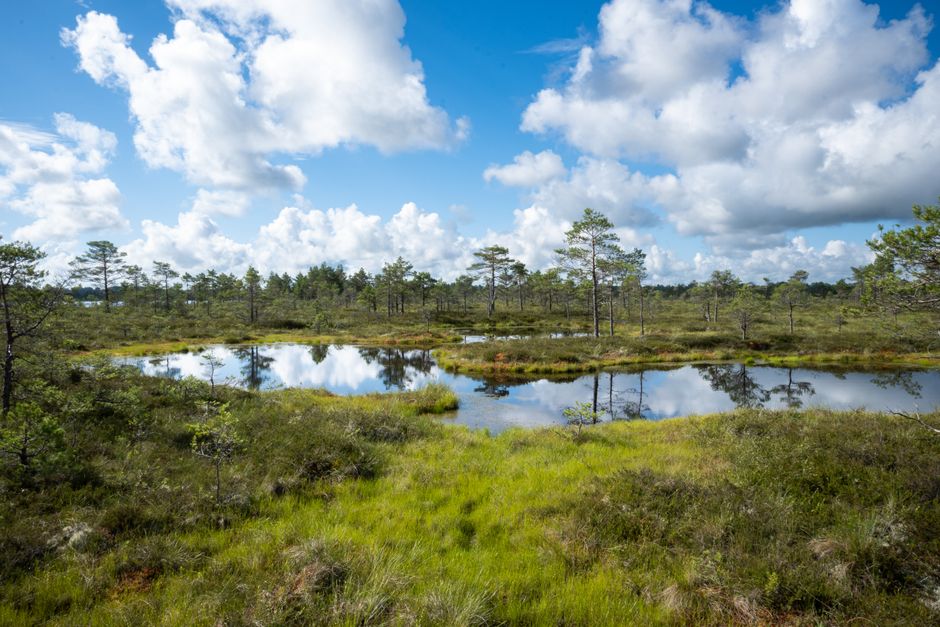
    Common types include marshes, swamps, bogs, and fens. Each is characterised by distinct water sources and vegetation, ranging from grasses to trees and mosses.
  • How do wetlands help with water regulation?
    Wetlands can store and slowly release water, which may reduce flood peaks and support base flows during dry periods. Their effectiveness varies with location, size, and condition.
  • Do wetlands store carbon?
    Many wetlands accumulate organic matter in waterlogged soils, acting as long-term carbon stores. The amount sequestered depends on factors such as vegetation type, hydrology, and climate.
  • Why are wetlands important for biodiversity?
    They provide feeding, breeding, and refuge habitats for many species, including birds, amphibians, and insects. Understanding these functions supports conservation planning and monitoring.

Wetlands are among the most productive ecosystems on Earth, providing essential services such as water filtration, flood control, and habitat for diverse wildlife. They play a critical role in maintaining biodiversity and mitigating climate change.

Discover Wetland Ecology

  • Learn about different types of wetlands: bogs, fens, marshes, and swamps.
  • Understand the unique plants and animals that thrive in these waterlogged environments.
  • Explore the vital functions wetlands perform for our planet.

Fenland Trust offers a comprehensive collection of informative articles and resources dedicated to wetland ecology. Whether you are a student, researcher, or nature enthusiast, you can deepen your knowledge and contribute to the preservation of these precious habitats.