Initial Research and Data Gathering
We collect information from established sources using structured documentation and specific wetland‑related terminology.
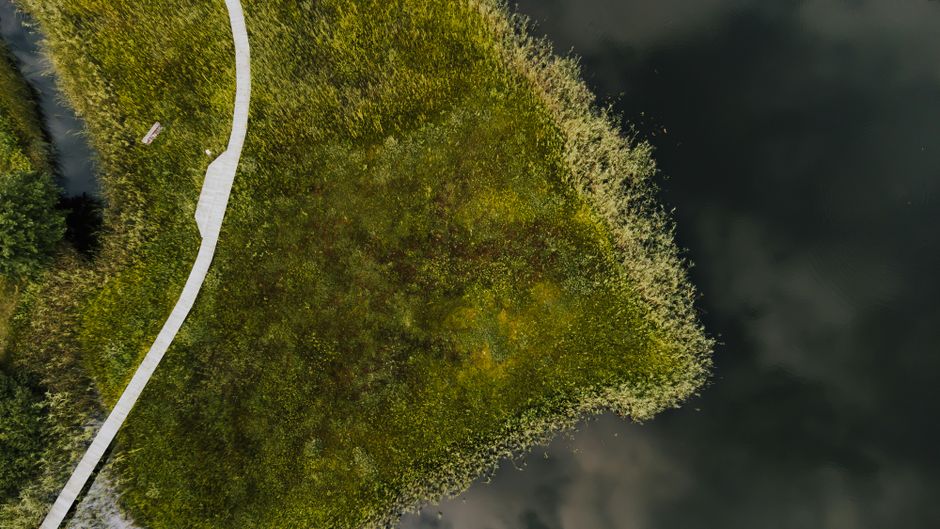
Fenland Trust describes a structured process to support public understanding of wetland ecology. We gather information for internal study and share progress openly. Drawing on field observations and expert collaboration, we approach every wetland topic with transparency. Viewing scientific accuracy as a point of connection and careful ongoing thinking, we continually align our methods with current data and ethical principles under expanding standards of quality.
We collect information from established sources using structured documentation and specific wetland‑related terminology.
We work with scientific specialists to discuss context and review how wetland topics should be accurately framed.
Material undergoes a methodical check against research standards before finalisation for content development.
Approved parameters undergo final editing aiming for factual clarity and conceptual alignment within wider wetland ecology.

Fenland Trust operates an information-focused framework for wetland topics. Our approach relies on structured methods: gathering background from scientific literature, consulting with ecologists and hydrologists, and referencing public ecological records. We prioritize scientific accuracy and terminological precision, ensuring that information reflects current wetland understanding without unclear language. Regular collaboration with specialists helps review and contextualize gathered material. In our presentations, we aim to separate observed ecological context from interpretation, making the material accessible to varied audiences. Additionally, we emphasize transparent sourcing, listing methodological bases so readers can trace information. We do not assert causality or guarantee particular knowledge outcomes; accuracy in communicating wetland ecology depends on ongoing expert involvement and evolving research.