The Secret Life of Sphagnum Moss in Peatlands

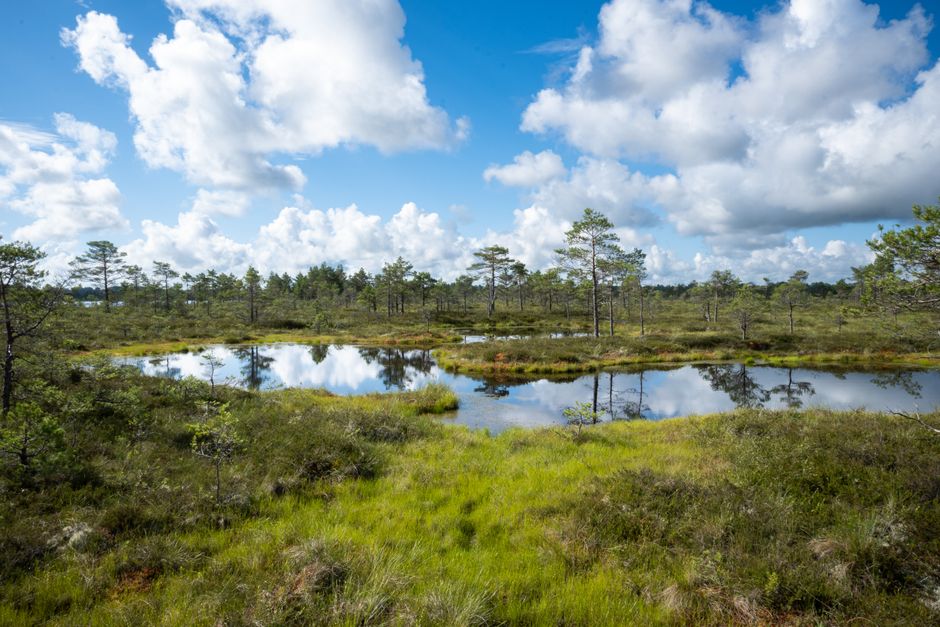
Peatlands are among the most distinctive wetland habitats, and at their heart lies a remarkable group of plants: Sphagnum mosses. These small, unassuming bryophytes are the primary architects of bog ecosystems, capable of transforming waterlogged, nutrient-poor conditions into extensive carbon-rich landscapes. Unlike many plants that require fertile soils, Sphagnum thrives where few others can, creating and maintaining the very environment in which it grows.
The secret to Sphagnum’s success lies in its unique cellular structure and its ability to modify its surroundings. By acidifying water and slowly accumulating organic matter, Sphagnum mosses drive the formation of peat, a process that unfolds over thousands of years. This article explores the biological mechanisms, ecological roles, and broader significance of Sphagnum moss in peatlands, particularly within the United Kingdom’s temperate climate.
Understanding these processes offers insight into how peatlands function as carbon stores and biodiversity refuges. It also highlights the importance of conserving these habitats, which are increasingly recognised for their role in global carbon cycling and climate regulation.
Unique Cellular Adaptations for Water Retention
Sphagnum mosses possess specialised cells that allow them to hold extraordinary amounts of water. Two distinct cell types are present in their leaves and stems: large, empty hyaline cells and narrow, living chlorophyllose cells. The hyaline cells are dead at maturity and feature pores that allow water to enter and be stored. These cells can hold up to twenty times their own weight in water, creating a spongy, moisture-laden structure.
This remarkable water retention capacity is central to the moss’s survival. By keeping itself constantly hydrated, Sphagnum can continue photosynthesis and growth even in periods of low rainfall. The stored water also maintains a humid microclimate around the moss, reducing evaporation and creating conditions that favour its own proliferation. In addition, the waterlogged environment limits oxygen availability, slowing decomposition and allowing organic matter to accumulate.
The structure of Sphagnum also contributes to its ability to engineer its habitat. As the moss grows upward, the lower portions gradually die and become compacted, forming peat. The living upper layer, known as the capitulum, continues to expand, while the dead material below is preserved in the waterlogged, acidic conditions. Over time, this process builds deep peat deposits that can store carbon for millennia.
Acidification and the Creation of Bog Conditions
Sphagnum mosses are ecosystem engineers that actively modify their environment. One of their most significant effects is the acidification of surrounding water. As they grow, Sphagnum releases hydrogen ions into the water in exchange for nutrient cations such as calcium and magnesium. This ion exchange lowers the pH, creating acidic conditions that are inhospitable to many other plant species.
The acidification process is a key factor in the formation of bogs, a type of peatland that receives water and nutrients primarily from precipitation rather than groundwater. In these ombrotrophic systems, the low pH and scarce nutrients mean that only specially adapted species can survive. Sphagnum itself is well-suited to these conditions, and its dominance further reinforces the acidic, nutrient-poor environment.
By acidifying water, Sphagnum also inhibits the activity of decomposer microorganisms. Fungi and bacteria that break down organic matter function poorly in acidic, waterlogged, and oxygen-poor conditions. As a result, dead plant material accumulates faster than it decomposes, leading to the build-up of peat. This feedback loop—where Sphagnum creates conditions that favour its own growth and slow decomposition—is a defining feature of bog ecosystems.
The Process of Peat Formation Over Millennia
Peat formation is a slow, cumulative process that occurs when plant material is deposited in waterlogged conditions where oxygen is limited. Sphagnum mosses contribute significantly to this process because their tissues are rich in organic carbon and resistant to decay. When the moss dies, it does not fully decompose; instead, it becomes part of the peat layer, which can grow by only a few millimetres per year.
Over thousands of years, these layers can accumulate to depths of several metres. The peat acts as a vast carbon store, locking away carbon dioxide that the mosses absorbed from the atmosphere during their lifetime. In the United Kingdom, peatlands cover around 12% of the land area and store an estimated 3 billion tonnes of carbon, much of it derived from Sphagnum moss.
The rate of peat formation depends on a balance between plant growth and decomposition. Factors such as climate, water table depth, and the chemical composition of the moss influence this balance. In cooler, wetter regions, peat accumulation tends to be more rapid, while in drier or warmer conditions, decomposition may outpace growth. This variability means that peatlands are dynamic systems that respond to environmental changes over long timescales.
Ecological Roles and Biodiversity Support
Sphagnum-dominated peatlands support a distinctive array of wildlife, including many species found nowhere else. The acidic, waterlogged conditions create a unique habitat for specialised plants such as sundews, cotton grass, and cranberry, as well as for invertebrates like dragonflies and bog beetles. Birds such as curlew and golden plover may nest in these areas, while mammals like the mountain hare may use them for shelter.
Beyond providing habitat, Sphagnum mosses play a role in regulating water quality and flow. The moss acts like a sponge, absorbing rainfall and releasing it slowly, which helps to reduce flood peaks downstream and maintain base flows during dry periods. This hydrological function is increasingly valued in catchment management, particularly in upland areas where peatlands are common.
The biodiversity of peatlands is closely tied to the structural complexity provided by Sphagnum. Different species of Sphagnum occupy different microhabitats, from hummocks to hollows, creating a mosaic of conditions that support a wide range of organisms. This diversity is fragile, however, and can be affected by changes in land use, pollution, and climate.
Conservation and the Role of the Fenland Trust
In the United Kingdom, many peatlands have been degraded by drainage, extraction, and conversion to other land uses. These activities can lead to the loss of Sphagnum cover, increased decomposition, and the release of stored carbon into the atmosphere. Conservation efforts therefore focus on restoring water tables, reintroducing Sphagnum mosses, and managing vegetation to maintain open bog conditions.
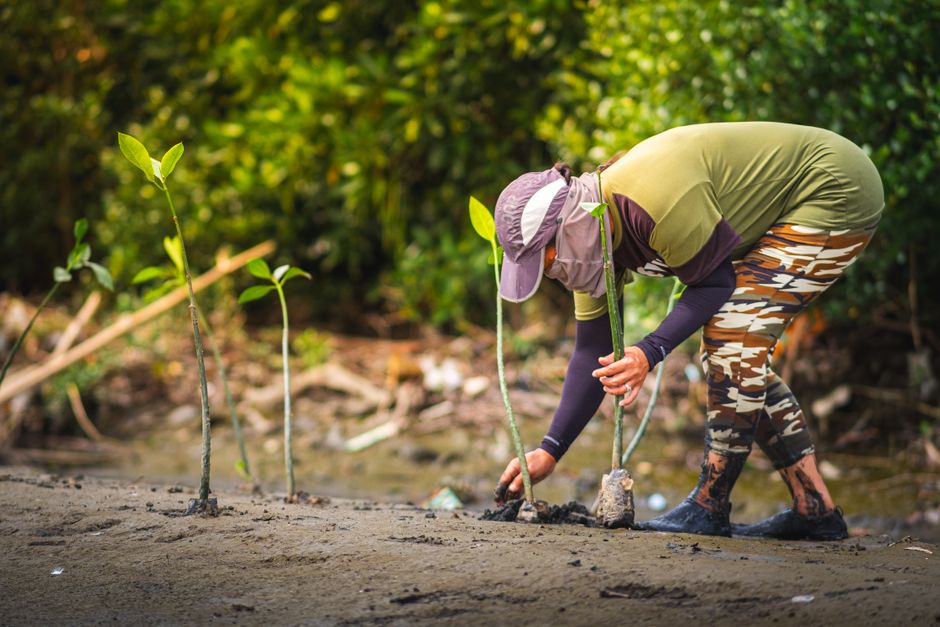
Organisations such as the Fenland Trust work to protect and restore peatland habitats. Their projects often involve rewetting drained areas, removing invasive species, and monitoring the recovery of Sphagnum and other peat-forming plants. These efforts are guided by scientific research and aim to enhance the ecological integrity of peatlands while recognising the multiple benefits they provide.
Restoration is a long-term process that depends on many factors, including climate, hydrology, and local land management. Success is not guaranteed and requires ongoing commitment. Nonetheless, the presence of healthy Sphagnum populations is often a positive indicator of peatland recovery.
The Broader Significance of Sphagnum Moss
Sphagnum moss is more than a simple plant; it is a key component of global carbon and water cycles. Peatlands, built largely by Sphagnum, store more carbon per hectare than any other terrestrial ecosystem. This makes them crucial in efforts to mitigate climate change, although the exact outcomes depend on how these ecosystems are managed and how they respond to a changing climate.
In addition to carbon storage, Sphagnum mosses have been used by humans for centuries. Their absorbent properties made them useful as wound dressings in historical times, and they are still employed in horticulture as a soil conditioner. However, commercial extraction can conflict with conservation goals, highlighting the need for sustainable practices.
The secret life of Sphagnum moss is one of quiet but profound influence. Through its unique cells, acidifying abilities, and slow growth, it creates and maintains the bog ecosystems that define peatlands. Understanding these processes is essential for anyone interested in wetland conservation, carbon management, or the natural history of the United Kingdom’s landscapes.