How Marshes Protect Coastal Communities from Storms

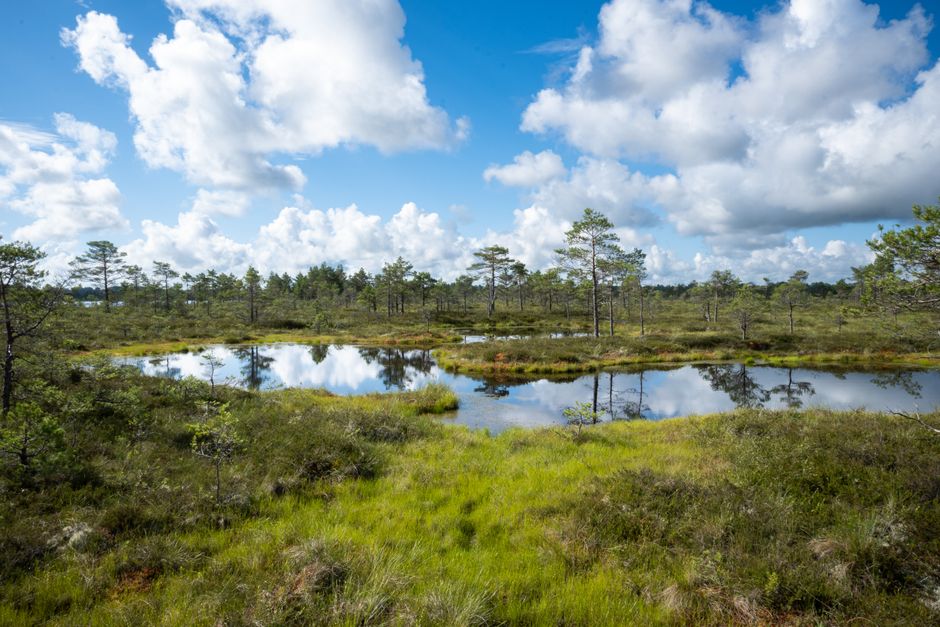
Coastal marshes are transitional zones between land and sea, characterised by salt-tolerant vegetation and waterlogged soils. In the United Kingdom, these habitats occur along estuaries, deltas, and sheltered shorelines, where they form a dynamic interface that responds to tides, waves, and sediment supply. Their structure and ecological functions have drawn attention for the ways they interact with coastal storm processes, including wave attenuation and floodwater management.
The role of marshes in coastal defence is often described in terms of natural buffers. Unlike hard defences such as sea walls, marshes are living systems that can adjust over time. This article examines the mechanisms by which marshes may influence storm impacts, the conditions under which these effects are observed, and the broader context of coastal adaptation. It does not offer definitive prescriptions, but rather outlines how these ecosystems function within a wider portfolio of coastal management approaches.
Understanding marsh dynamics requires attention to vegetation, sediment, and hydrodynamic factors. The following sections explore how marshes absorb wave energy, trap sediment, and contribute to shoreline resilience, with reference to the United Kingdom’s coastal settings and the work of organisations such as Fenland Trust.
Wave Energy Dissipation by Marsh Vegetation
When waves travel across a marsh surface, they encounter dense stems, leaves, and root structures that create drag and turbulence. This interaction reduces wave height and energy, potentially lowering the force exerted on the shoreline behind the marsh. The effectiveness of this process depends on factors such as water depth, wave characteristics, and the density and stiffness of vegetation. In general, taller and denser stands tend to be more effective at dissipating energy, but the relationship is not linear and varies with site-specific conditions.
Research in UK estuaries has shown that saltmarshes can attenuate wave energy to varying degrees, with some studies reporting reductions in wave height over relatively short distances. However, the magnitude of attenuation is influenced by the width of the marsh, the slope of the bed, and the presence of creeks and channels that can funnel water. During storm events, water levels may rise above the vegetation, reducing the marsh’s capacity to dampen waves. Therefore, the protective function is context-dependent and may be most relevant for smaller, more frequent storms rather than extreme events.
It is also important to recognise that marshes are not static barriers. They can erode, accrete, or migrate in response to changes in sediment supply, sea level, and storm frequency. The net effect on wave energy dissipation is thus a function of both the immediate physical setting and longer-term morphological change. This dynamic nature means that the protective role of marshes should be considered alongside other coastal defence measures, rather than as a standalone solution.
Sediment Trapping and Shoreline Adjustment
Marsh vegetation slows water flow, allowing suspended sediment to settle out of the water column. Over time, this process builds up the marsh surface, raising it relative to sea level. In doing so, marshes can keep pace with gradual sea level rise, provided that sediment supply is sufficient and that other factors such as subsidence or erosion do not overwhelm accretion. This vertical adjustment is a key mechanism by which marshes may contribute to shoreline resilience.
The sediment trapped by marshes originates from various sources, including riverine inputs, coastal erosion, and resuspension from adjacent mudflats. The rate of accretion varies widely across UK marshes, depending on tidal range, sediment concentration, and the presence of plants that bind particles. Some marshes accrete at rates that match or exceed local sea level rise, while others may be losing ground. The balance is delicate and can be disrupted by human activities such as dredging, land reclamation, or the construction of hard defences that cut off sediment pathways.
Moreover, the ability of marshes to adjust to sea level rise is not unlimited. If sea level rises faster than the marsh can accrete, or if sediment supply declines, the marsh may become submerged and convert to mudflat or open water. In such cases, the shoreline loses the buffering capacity that the marsh provided. Therefore, the long-term effectiveness of marshes as natural buffers depends on maintaining the conditions that allow them to thrive, including space for landward migration where possible.
Factors Influencing Storm Protection Effectiveness
The degree to which a marsh reduces storm impacts is not uniform and depends on a combination of environmental and spatial factors. These include:
- Marsh width and continuity: wider, uninterrupted stretches of marsh generally provide greater wave attenuation than narrow or fragmented ones.
- Vegetation characteristics: species composition, stem density, and seasonal growth patterns affect drag and sediment trapping.
- Water depth and wave climate: deeper water and larger waves may reduce the relative influence of vegetation.
- Sediment availability: a steady supply of sediment supports accretion and helps marshes maintain elevation.
- Storm characteristics: the intensity, duration, and direction of storms influence how much water and energy reach the marsh.
In addition to these biophysical factors, the surrounding landscape matters. Marshes that are part of a larger wetland complex, with connections to mudflats, sand dunes, or other habitats, may offer more robust protection than isolated patches. Conversely, marshes that are squeezed between rising sea levels and hard coastal defences may be unable to migrate landward, leading to a phenomenon known as coastal squeeze. This can reduce their long-term viability and, consequently, their capacity to buffer storms.
It is also worth noting that the protective benefits of marshes are not solely about storm surge reduction. They can also reduce erosion, improve water quality, and provide habitat for wildlife. These co-benefits are part of the reason why interest in nature-based coastal defence has grown. However, attributing specific storm outcomes to marshes alone is challenging, given the many variables involved and the difficulty of isolating their effects in real-world settings.
Integrating Marshes into Coastal Management
In the United Kingdom, coastal management increasingly considers the role of natural habitats alongside engineered defences. Marshes can be incorporated into shoreline management plans through approaches such as managed realignment, where defences are deliberately breached or removed to allow tidal waters to create or restore marshland. This can provide multiple benefits, including habitat creation and potential wave attenuation, although the outcomes are site-specific and require careful monitoring.
Organisations like Fenland Trust are involved in the conservation and restoration of wetland habitats, including marshes. Their work often involves assessing the condition of existing marshes, understanding sediment dynamics, and engaging with local communities and authorities. Such efforts contribute to the broader knowledge base on how marshes function and how they might be managed to support coastal resilience. However, it is important to recognise that restoration and management are long-term endeavours with uncertain outcomes, influenced by factors beyond immediate control.
When considering marshes as part of coastal defence, it is essential to adopt a realistic perspective. They are not a substitute for all forms of hard engineering, and their effectiveness varies with location and storm characteristics. Instead, they can be viewed as one component of a wider strategy that may include sea walls, flood barriers, and other measures. The integration of marshes into coastal planning should be based on site-specific assessments, transparent decision-making, and adaptive management that allows for adjustments as conditions change.
Limitations and Considerations
While marshes offer potential benefits for coastal protection, there are limitations and uncertainties that should be acknowledged. First, the magnitude of wave attenuation and flood reduction is highly variable and difficult to predict with precision. Second, marshes can be damaged by storms, and recovery may take years or decades. Third, the capacity of marshes to keep pace with sea level rise is not guaranteed and depends on sediment supply and other factors. Fourth, the presence of marshes may not prevent flooding entirely, especially during extreme events when water levels overtop vegetation.
Furthermore, the use of marshes for coastal defence raises questions about trade-offs. For example, allowing marshes to migrate landward may conflict with existing land uses, such as agriculture or housing. Managed realignment can have social and economic implications for local communities, and these need to be considered alongside ecological goals. It is also important to avoid overstating the protective role of marshes, as this could lead to unrealistic expectations and inadequate preparation for storm events.
In summary, marshes are dynamic ecosystems that can influence coastal storm processes through wave attenuation and sediment trapping. Their effectiveness is conditional on a range of factors and should be evaluated on a case-by-case basis. They are not a panacea for coastal flooding, but they can contribute to a broader portfolio of adaptation measures. Ongoing research, monitoring, and adaptive management are essential to understanding how marshes might best be integrated into coastal planning in the UK and elsewhere.