Restoring Degraded Wetlands: Techniques and Success Stories
Wetland restoration is a multidisciplinary practice that aims to re-establish the ecological functions of degraded or drained wetlands. These ecosystems—including marshes, fens, bogs, and floodplains—provide essential services such as water filtration, carbon storage, and habitat for wildlife. When wetlands are drained or altered, these functions decline, often leading to biodiversity loss and increased flood risk. Restoration efforts seek to reverse these trends through a combination of hydrological, biological, and mechanical interventions. The following sections outline common techniques and describe how some projects in Europe and North America have progressed.
Wetland degradation typically results from drainage for agriculture, urban development, peat extraction, or altered water flows. Restoring such areas requires understanding the original hydrology, soil conditions, and native species composition. Each site presents unique challenges, and restoration outcomes depend on factors such as climate, land use history, and ongoing management. While complete recovery to a pre-disturbance state is rare, many projects have achieved significant improvements in habitat quality and species diversity.
This article examines three primary restoration techniques: reflooding drained areas, replanting native vegetation, and removing invasive species. It also highlights case studies from Europe and North America where these methods have been applied. The Fenland Trust, a UK-based organisation, supports wetland conservation and restoration projects, and its work provides context for some of the approaches discussed.
Reflooding Drained Areas
Reflooding is often the first step in restoring a drained wetland. It involves reintroducing water to the site, either by blocking drainage channels, removing tile drains, or redirecting water courses. The goal is to raise the water table and recreate the saturated conditions that characterise wetland ecosystems. However, reflooding must be carefully planned to avoid unintended consequences such as flooding adjacent land or altering water quality downstream.
Hydrological assessments are essential before reflooding. These studies determine the volume and timing of water needed, the permeability of the soil, and the potential effects on surrounding areas. For example, in peatlands, reflooding can reduce carbon dioxide emissions and promote peat formation, but if water chemistry is not managed, it may lead to increased methane release or the mobilisation of pollutants. Restoration practitioners often use adjustable structures such as weirs or sluices to control water levels and mimic natural seasonal fluctuations.
In many cases, reflooding alone is sufficient to trigger the return of wetland vegetation and aquatic species. Seeds and spores may remain viable in the soil seed bank for decades, and once water returns, they can germinate. However, if the seed bank has been depleted, active replanting may be necessary. Reflooding can also create habitat for waterfowl, amphibians, and fish, although the specific species that colonise depend on the surrounding landscape and connectivity to other wetlands.
Replanting Native Vegetation
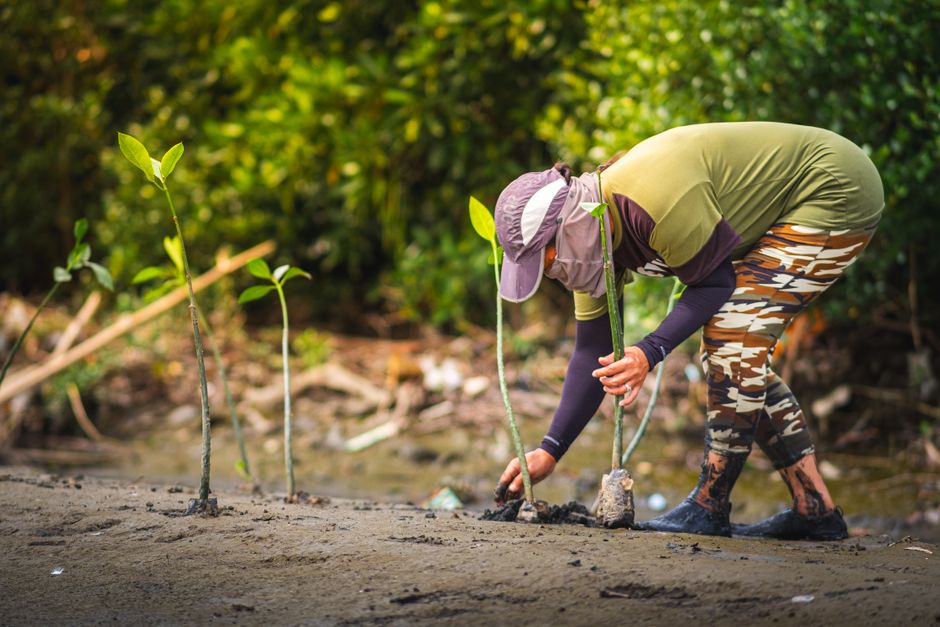
Replanting native vegetation accelerates the recovery of plant communities and provides structure for wildlife. The choice of species depends on the wetland type, local climate, and soil conditions. In fens, for instance, characteristic plants include sedges, rushes, and mosses, while marshes may support reeds, cattails, and flowering herbs. Using locally sourced seeds or transplants helps maintain genetic diversity and adapts to local conditions.
Planting can be done by hand or with machinery, depending on the scale of the project. In small sites, volunteers may transplant plugs of native species, while larger projects may use hydroseeding or broadcast seeding. Timing is critical: planting should coincide with the growing season and adequate moisture. In some cases, temporary irrigation may be needed until plants are established. Monitoring is essential to assess survival rates and adjust techniques as needed.
Native vegetation not only supports biodiversity but also contributes to soil stabilisation, nutrient cycling, and carbon sequestration. However, planting alone cannot compensate for poor hydrology or ongoing disturbances. Therefore, replanting is most effective when combined with reflooding and invasive species control. The Fenland Trust has supported projects that integrate these techniques to restore fenland habitats in the UK.
Removing Invasive Species
Invasive species can outcompete native vegetation, alter soil chemistry, and disrupt food webs. Common wetland invaders include purple loosestrife, reed canary grass, and Himalayan balsam. Removing them is often a long-term commitment, as many species regenerate from seeds or fragments. Methods include manual pulling, mowing, grazing, flooding, and targeted herbicide application, each with advantages and limitations.
Manual removal is labour-intensive but suitable for small infestations and sensitive areas. Grazing by livestock can control some invasive plants, but it must be managed to avoid damage to native species. Herbicides may be used as a last resort, with careful attention to non-target effects and regulatory approval. In all cases, removal should be followed by replanting or other measures to prevent reinvasion.
Integrated pest management approaches combine multiple methods to achieve lasting control. For example, cutting followed by flooding can weaken root systems, while repeated mowing can deplete energy reserves. Biological control agents, such as insects that feed on specific invasive plants, have been used in some regions, but they require rigorous testing to avoid unintended consequences. Monitoring and adaptive management are essential to track progress and adjust strategies.
Case Studies in Europe and North America
Several wetland restoration projects in Europe and North America illustrate how these techniques can be applied. In the United Kingdom, the Great Fen project in Cambridgeshire aims to reconnect fragmented fenland habitats. It involves reflooding former agricultural land, reintroducing native plants, and controlling invasive species. The project has seen the return of birds such as bitterns and marsh harriers, although full ecosystem recovery is expected to take decades.
In the Netherlands, the restoration of the Oostvaardersplassen involved reflooding a polder to create a wetland nature reserve. While the project has been controversial due to large herbivore populations, it has demonstrated the potential for rapid colonisation by waterbirds and aquatic plants. In North America, the restoration of the Kissimmee River in Florida involved reversing channelisation to restore natural flow patterns. This led to increased fish and bird populations, although challenges remain in managing nutrient pollution.
These examples highlight that restoration outcomes vary widely. Success depends on factors such as the scale of the project, the degree of degradation, and the presence of nearby source populations of native species. In many cases, restoration requires ongoing management to maintain desired conditions. The Fenland Trust supports similar initiatives in the UK, focusing on evidence-based approaches and long-term monitoring.
Challenges and Considerations
Wetland restoration faces numerous challenges, including securing funding, obtaining permits, and balancing competing land uses. Climate change adds uncertainty, as altered rainfall patterns and rising temperatures may affect hydrology and species composition. Restoration projects must also consider the needs of local communities and stakeholders, ensuring that changes in land use do not negatively impact livelihoods.
Monitoring and evaluation are critical to understand whether restoration goals are being met. Indicators may include water quality parameters, vegetation cover, and species richness. However, it can take years or decades for ecosystems to respond, and some changes may be unpredictable. Adaptive management allows practitioners to adjust strategies based on monitoring results, but it requires flexibility and long-term commitment.
Overall, wetland restoration is a complex but achievable endeavour. By combining reflooding, native replanting, and invasive species removal, it is possible to enhance biodiversity and ecosystem services. However, each project is unique, and success is not guaranteed. It depends on careful planning, adequate resources, and ongoing stewardship. The Fenland Trust and similar organisations continue to contribute knowledge and practical experience to this field.