Cypress Swamps: Unique Ecosystems of the Southeastern US
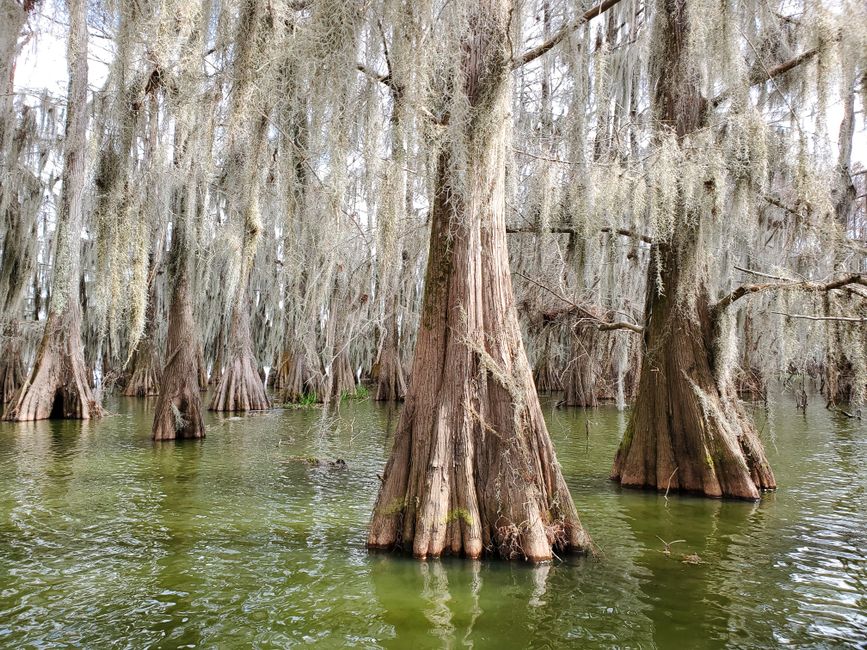
In the low-lying regions of the southeastern United States, bald cypress swamps form distinctive flooded forests that are both visually striking and ecologically complex. These wetlands are dominated by bald cypress trees, which are adapted to periodic inundation and can tolerate long periods of standing water. The swamps often appear as dark, still expanses, with tree trunks rising from the water and draped in Spanish moss. Despite their tranquil appearance, these systems are dynamic habitats that support a wide array of wildlife, including alligators, wading birds, and rare orchids. The slow movement of water through these swamps contributes to important processes such as the filtration of pollutants and the recharge of underground aquifers.
Understanding cypress swamps requires an appreciation of their hydrology, biology, and the ways in which they interact with surrounding landscapes. These ecosystems are not isolated; they are connected to rivers, floodplains, and coastal areas, and they respond to changes in water levels and climate. This article explores the key characteristics of cypress swamps, the species they support, and the functions they perform. It also considers the challenges they face and the approaches used to study and manage them. The information presented here is intended to provide a balanced overview of a unique type of wetland found in the southeastern United States.
As with many natural systems, the condition of cypress swamps depends on a combination of factors, including land use, water management, and climate patterns. No single outcome can be guaranteed, and the resilience of these ecosystems varies across locations. The following sections examine different aspects of cypress swamps, drawing on ecological principles and general observations. The content is designed to be informative and process-oriented, without making predictions about specific results.
Hydrology and Formation
The formation of cypress swamps is closely tied to the hydrology of the southeastern United States. These wetlands typically occur in flat, poorly drained areas where water accumulates and moves slowly. They can be found along rivers, in floodplains, and in depressions that collect runoff. The water source may be from precipitation, groundwater, or adjacent streams, and the duration and depth of flooding vary seasonally. Bald cypress trees are well adapted to these conditions, with buttressed bases and knees that help stabilize them in soft, saturated soils.
The slow movement of water is a defining feature of cypress swamps. Unlike fast-flowing streams, the water in these systems may remain for weeks or months, allowing sediments and organic matter to settle. This slow turnover influences nutrient cycling and the overall chemistry of the water. In some cases, the water is acidic and low in oxygen, which affects the types of plants and animals that can survive. Over time, the accumulation of peat and organic material can contribute to the development of distinct soil profiles.
Hydrological conditions also determine the structure of the swamp. For example, areas that are flooded for longer periods tend to have fewer tree species, with bald cypress often dominating. In contrast, slightly higher ground may support a mix of cypress, tupelo, and other hardwoods. The movement of water connects the swamp to downstream systems, carrying nutrients and organic matter to estuaries and coastal waters. This connectivity is important for the productivity of fisheries and for the overall health of the region’s waterways.
Human modifications to hydrology, such as drainage, channelization, and dam construction, can alter the natural flow patterns. Such changes may affect the timing and extent of flooding, with potential consequences for the vegetation and wildlife that depend on specific conditions. Because these effects are context-dependent, the outcomes of any hydrological alteration are not uniform and depend on local factors.
Flora and Fauna
Cypress swamps are home to a remarkable diversity of plants and animals. The dominant tree, bald cypress, is a deciduous conifer that can live for centuries. Its needles turn rusty brown in autumn before falling, and its seeds provide food for wildlife. Other common trees include water tupelo and swamp black gum, which also tolerate flooded conditions. The understory may contain shrubs such as buttonbush and lizard’s tail, while ferns and mosses cover the forest floor and tree bases. Rare orchids, such as the swamp pink and the rose pogonia, can be found in some swamps, often in specific microhabitats.
Animal life in cypress swamps is equally varied. Alligators are perhaps the most iconic residents, and they play a role in shaping the habitat by creating trails and burrows that other species use. Wading birds, including herons, egrets, and ibises, forage in the shallow water for fish, amphibians, and invertebrates. The swamps also support a range of amphibians, reptiles, and mammals, such as frogs, snakes, raccoons, and deer. Many of these species depend on the seasonal flooding patterns, which create temporary pools and feeding areas.
The presence of rare orchids and other specialized plants indicates that cypress swamps can harbour unique microclimates and nutrient conditions. These species often have specific requirements for light, moisture, and soil chemistry, and their distribution may be limited to particular zones within the swamp. The interactions among species are complex, and the loss of one component can affect others. For example, changes in water levels can influence the availability of nesting sites for birds or the survival of aquatic larvae.
Because cypress swamps are dynamic, the composition of plant and animal communities can shift over time in response to natural disturbances and environmental changes. This variability is a normal part of ecosystem function, and it makes generalisations about species presence challenging. Observations from specific sites may not apply universally, and ongoing monitoring is often needed to understand local trends.
Ecosystem Functions and Services
The slow-moving waters of cypress swamps perform several functions that are valued by society. One key function is the filtration of pollutants. As water moves slowly through the swamp, suspended particles and associated contaminants can settle out, and plants and microorganisms can take up nutrients such as nitrogen and phosphorus. This process can improve water quality downstream, although the effectiveness depends on factors such as the type of pollutant, the residence time of water, and the overall condition of the wetland.
Another important function is the recharge of aquifers. In some settings, water from cypress swamps can percolate into the ground and replenish groundwater reserves. This recharge is not guaranteed and depends on the underlying geology, the depth of the water table, and the amount of water lost to evaporation and transpiration. In areas where aquifers are heavily used for drinking water and irrigation, the contribution of swamps to recharge can be significant, but it is one of many inputs.
Cypress swamps also provide habitat for wildlife, support biodiversity, and offer opportunities for recreation and education. They can attenuate floodwaters by storing and slowly releasing water, which may reduce peak flows downstream. Additionally, they store carbon in peat and biomass, which has implications for climate regulation. The extent to which these services are realised varies widely, and they are influenced by landscape context and management practices.
It is important to note that these functions are not automatic and can be altered by human activities. For example, drainage can reduce water residence time and diminish filtration capacity, while excessive nutrient inputs can lead to eutrophication. The provision of ecosystem services is therefore conditional on maintaining appropriate hydrological and ecological conditions.
Conservation and Management
Conservation of cypress swamps involves a range of approaches, from protection of existing wetlands to restoration of degraded sites. Legal frameworks, such as the Clean Water Act in the United States, provide some regulatory oversight, but enforcement and implementation vary. Land trusts and non-profit organisations, such as the Fenland Trust, may work to acquire and manage swamp habitats, often in partnership with government agencies and private landowners. The Fenland Trust focuses on wetland conservation and may support projects that aim to preserve these ecosystems.
Management practices often centre on maintaining natural hydrology. This can include avoiding drainage, removing barriers to water flow, and allowing seasonal flooding to occur. In some cases, active restoration may involve replanting cypress trees or removing invasive species. Monitoring is essential to assess the effectiveness of these actions, but it requires long-term commitment and resources. Because each swamp is unique, management plans are typically tailored to local conditions and objectives.
Challenges to conservation include land conversion, water pollution, climate change, and invasive species. These pressures can interact in complex ways, making it difficult to predict outcomes. For example, rising sea levels may lead to saltwater intrusion in coastal swamps, which can stress or kill bald cypress trees. Inland swamps may face altered precipitation patterns that affect water levels. Addressing these challenges often requires a combination of scientific research, policy measures, and community engagement.
Effective conservation also depends on understanding the social and economic context. Wetlands are often viewed as wastelands, but their value is increasingly recognised. Education and outreach can help build support for protection. At the same time, competing demands for land and water resources mean that trade-offs are inevitable. Decision-making processes should consider multiple perspectives and strive for balanced outcomes.
Research and Future Directions
Research on cypress swamps spans disciplines such as ecology, hydrology, and environmental science. Scientists study water quality, nutrient cycling, and the responses of species to environmental change. Long-term monitoring plots provide data on tree growth, regeneration, and mortality. Remote sensing and geographic information systems are used to map wetland extent and changes over time. These tools can help identify areas that are vulnerable to degradation or that have high conservation value.
Emerging areas of study include the role of swamps in carbon sequestration and greenhouse gas emissions. The balance between carbon storage and methane release is a topic of ongoing investigation, and the net effect can vary depending on water levels and temperature. Another area is the interaction between swamps and adjacent ecosystems, such as estuaries and upland forests. Understanding these connections can inform landscape-scale management.
Future directions may involve integrating traditional ecological knowledge with scientific approaches. Local communities and indigenous peoples often have deep understanding of wetland dynamics, and their insights can complement empirical data. Collaborative research can lead to more holistic management strategies. However, the outcomes of any research or management action are uncertain and depend on many factors, including funding, policy support, and environmental variability.
Despite the challenges, cypress swamps remain a fascinating subject of study. Their unique characteristics and the services they provide make them worthy of attention. As with all natural systems, their future is not predetermined, and their condition will reflect the choices made by society. Ongoing research and adaptive management can help inform those choices, but they cannot guarantee specific results.